Currently Empty: £0.00
Hair and Beauty Level 1
VTCT Skills Level 1 Certificate in an Introduction to the Hair and Beauty Sector
LARS Code: 50068398
Integrated Skills & Inclusions
Functional Maths
Functional English
Digital Skills
QUALIFICATION
Level 1 Certificate in an Introduction to the Hair and Beauty Sector
COURSE DURATION
8 Weeks – Full Time
Monday-Friday
COST
FREE, Fully Funded by the West Midlands Combined Authority
LOCATIONS
B8 1LY
B18 4EJ
ELIGIBILITY CRITERIA
Candidates must be:
- Aged 19+
- A West Midlands resident
- Must be earning less than £34,500 if employed or self-employed
- Living in the UK for over 3 years, or have Indefinite Leave to Remain in the UK
- Individuals under the Ukrainian settlement or similar scheme are also eligible
Purpose & Overview
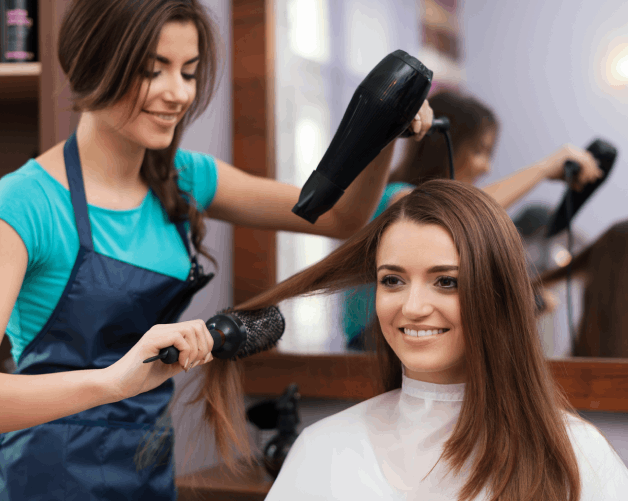
Our level 1 Certificate in an Introduction to the Hair and Beauty Sector qualification is designed to introduce learners to the hair and beauty sector and provide a foundation of knowledge and practical skills required to progress within the industry.
It combines core industry understanding with hands on optional units that allow learners to explore different areas such as hairdressing, barbering, nail services and beauty treatments.
The course supports progression into further vocational training or entry level roles within salon environments.
Mandatory Units
Learners must complete the following mandatory units:
- Introduction to the Hair and Beauty Sector
- Presenting a Professional Image in a Salon
These units provide essential knowledge of the industry, professional behaviour and workplace expectations.
Optional Units
Learners must also achieve the required credits by selecting from a range of optional units, which may include:
- Style Hair Using Barbering Techniques
- Style Hair Using Hairdressing Techniques
- The Art of Dressing Hair
- The Art of Photographic Make Up
- Providing Basic Manicure Treatment
- Providing Basic Pedicure Treatment
- Follow Health and Safety in the Salon
- Working with Others in the Hair and Beauty Sector
- Create a Hair and Beauty Image
- Colour Hair Using Temporary Colour
- Salon Reception Duties
- Create and Maintain Retail Displays in the Salon
- Head Massage
- Hand Care
- Nail Art Application
- Create an Image Using Colour for the Hair and Beauty Sector
- Skin Care
- Shampoo and Conditioning
- Basic Make Up Application
- Themed Face Painting
- Hair Plaiting
- Plaiting and Twisting Hair
Optional units allow learners to tailor their learning experience and gain practical skills across different areas of the sector.
Progression
On completion, learners can progress to:
- VTCT Level 2 qualifications in Hairdressing or Beauty Therapy
- Further vocational training or apprenticeships
- Entry level roles within salons, barbering environments or beauty retail
Delivery and Assessment
You’ll learn through a mix of practical activities and real world salon scenarios to build your basic hair and beauty skills.
You’ll complete practical assessments and build a portfolio of evidence to show your knowledge and skills.
Tasks are designed to be engaging and supportive, with ongoing assessment from your tutor throughout the course.
There are no formal exams. Your progress is assessed through your practical work, coursework and assignments.
ADDITIONAL SUPPORT OFFERS (TO INCLUDE IN YOUR PROGRAMME)
Accredited Functional and Digital Skills
English and maths Functional Skills (Level 1/2) - essential for workplace communication and numeracy.
Digital Skills accreditation - supports technology use in modern logistics systems.
Jobs Coach Support
Dedicated coaching to help with CV building, interview skills, job applications, and employer engagement.
Optional Mental Health Learning
Workshops or modules on resilience, wellbeing at work, stress management, and coping strategies to support learner wellbeing.
Attendance Support
Practical support such as bus passes or travel funding to reduce barriers to attendance and improve retention.